
1. Always pick up after your dog
Picking up waste from your pet is by far the #1 pet etiquette rule, because pet waste can spread disease and not picking it up is just plain gross. Don’t aggravate other dog owners or neighbors walking outside – pick it up and toss it away in a specified pet waste basket!
2. Don’t let them treat everything like a fire hydrant
It’s understandable that after a long day of being inside, it’s going to be hard for your dog to hold it. But try your best to keep your dog from using the bathroom in high traffic areas. If your dog has an accident in the lobby, hallway, elevator it is your job to clean it up.
3. Keep them on leash in the city and in your apartment/condo building
I love dogs, you love your dog; but not everyone in the building is a dog lover. People may be afraid, allergic or just don’t like dogs. Keeping your dog on a leash is the courteous thing to do, but it could also be the law depending on where you live. It’s also important when coming into entryways, hallways and elevators that your leash is short and that you don’t let your dog charge into spaces. Not every dog wants to meet your dog. When you are in a situation where you can not avoid other dogs ensure your leash is kept short that way no interactions between dogs can happen. If a dog happens to show that he wants space the best thing to do is keep moving past the dog. Stopping and allowing your dog to fixate will only make the situation worse.
If you know other dog owners who have dogs that are friendly and they like to meet that is great! Keep in mind that if other dogs pass keep that leash shorter just in case your dog wants to go say hi to a dog that may not welcome them in there space.
4. Let people know if your dog doesn’t like attention or other dogs.
The first thing I do when I see a dog is ask if I can pet it. Sometimes, though, a dog may not like other people aside from its owner. If your dog is timid, shy, standoffish or scared around people, let them know of the situation if they ask to pet the dog.
If your dog does not like other dogs it is okay for your dog to have space. It is okay to ask other dog owners to have their dog on a shorter leash.
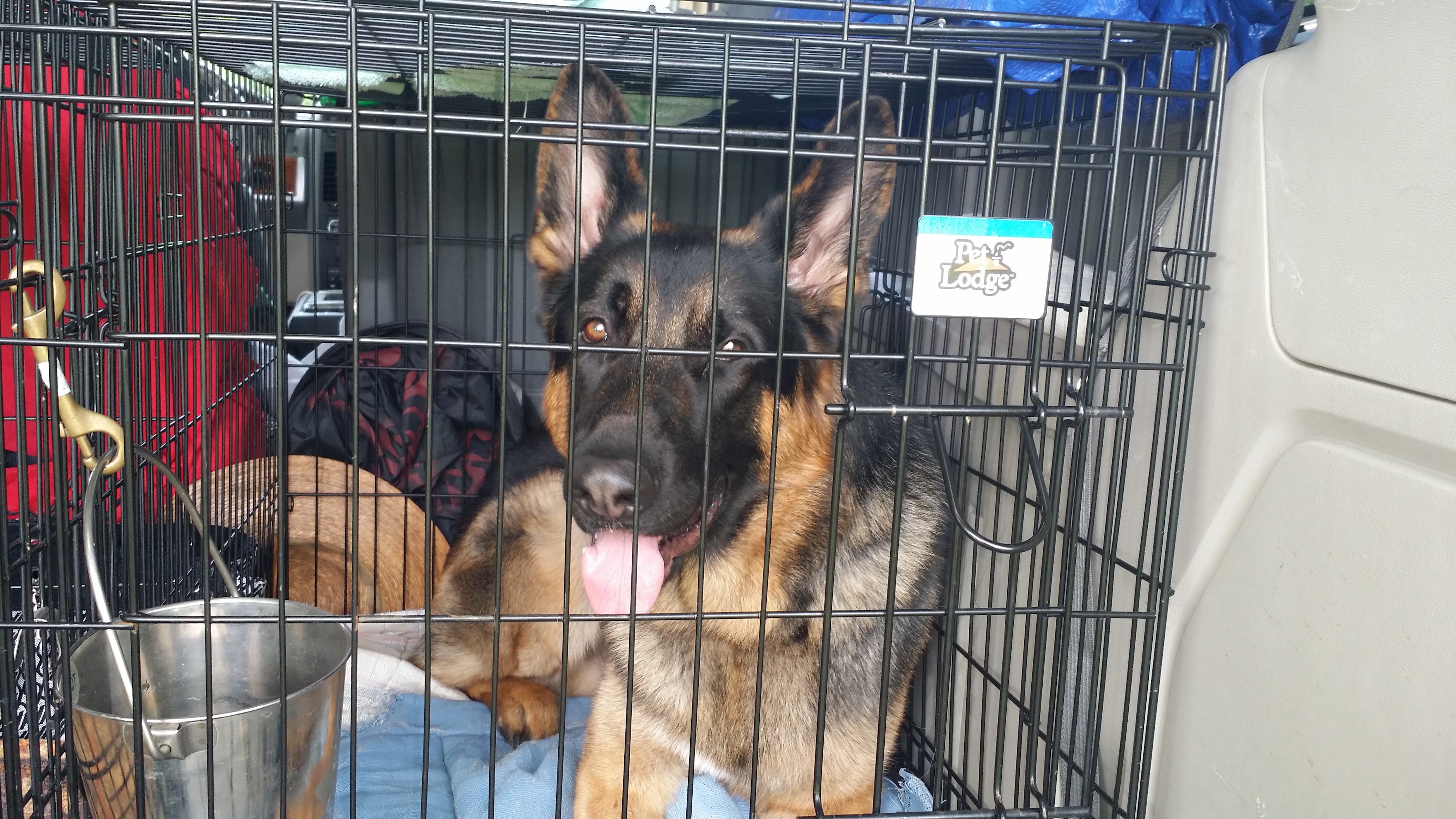
Some dogs have different quirky things about them. For example German Shepherds don’t typically like it when dogs or humans stare at them. They see this as a potential threat. The best thing to do is to break your dogs focus by engaging in something they already know how to do. If your a human and you are staring at a dog and they bark at you the best thing you can do is not make eye contact.
5. Control their barking
There is no bigger pet peeve for your neighbors than a dog that barks uncontrollably. Usually this occurs when someone knocks on the door, or they hear someone in the hallway that startles them. But it too can happen when you’re away, because they’re sad, bored, etc.
If you have received noise complaints from neighbors, take it seriously and figure out what is causing your dog to bark. You may ask the vet or a dog trainer on ways to control the barking when you’re away from the apartment home.
6. Make sure your dog gets ample exercise outside
One of the top reasons a dog makes noise is because they aren’t getting enough exercise. They can get destructed due to boredom, or they can make noise by running around the apartment to work off extra energy. The activity needs vary by breed, but all dogs need to get out and stretch their legs. Give them extra time in the morning and evening, do training, hire a midday dog walker or go to dog classes.
7. Play by the “dog park” rules
Apartments/Condos may have dog parks which are shared spaces where both people and dogs interact. It’s not a personal playground, so play by the rules of the park and be a good neighbor.
8. Try to get your dog on a reasonable schedule
Schedules are great for dogs; it helps them get into a routine and gives them assurance of when they can expect food or be let outside. Just be mindful of your neighbors when establishing a schedule. If your schedule necessitates going for walks during odd hours, make sure your dog is quietly under control until you get outside.
9. Don’t rule out professional training
If you’re getting a lot of complaints from different folks about your dog’s behaviors or you are genuinely concerned for your own dog, finding a trainer maybe necessary. All breeds, size and age should have a foundation of good manners and obedience.




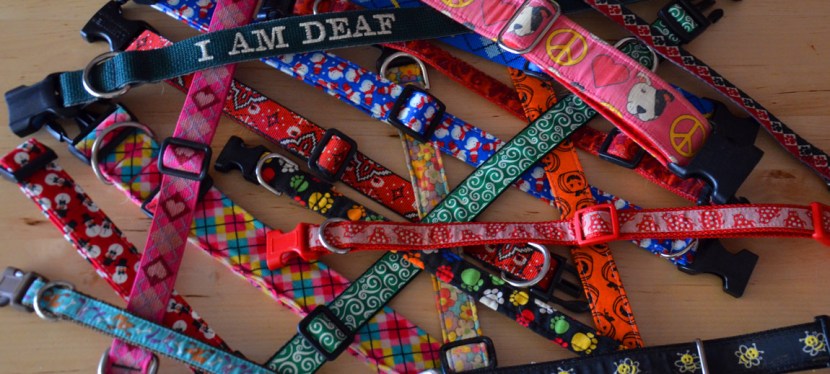
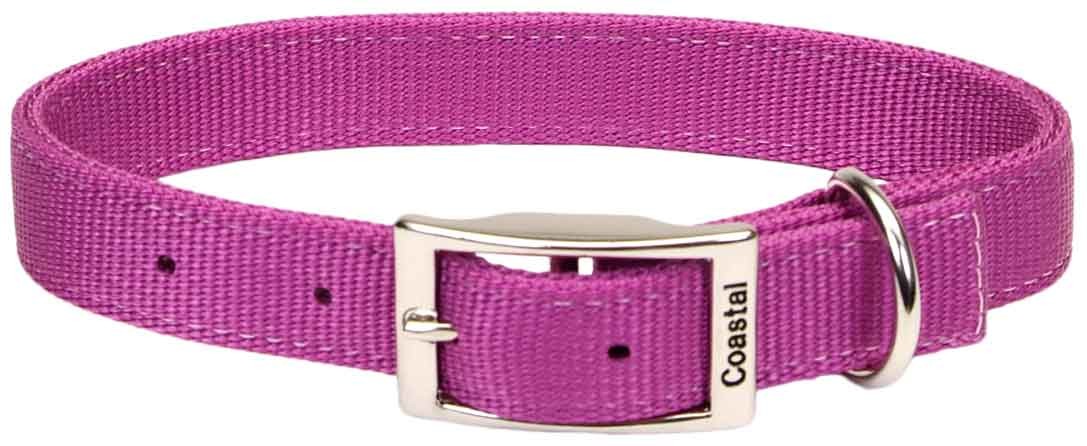 a bit more timid and shy. When purchasing a collar like this, I would highly recommend one that is put on like a belt and has metal hardware. These collars also come with plastic clips, though I would avoid those as I’ve found they tend to break at the most inconvenient times! I like the leather collars myself. Click the link to see a great
 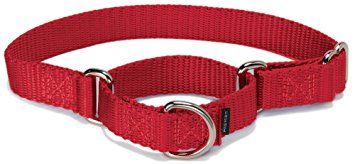 igned to tighten if the dog pulls and is adjustable.
 rings at the top. I refer to this collar as a training collar as it does just that. The choke chain gets a bad name because if the collar is put on incorrectly it literally is choking the dog. To properly put on your dog it should be in the shape of a p. When you hold it up, ready to go on your dog’s neck, it should form a p, with one ring at the bottom of the P, and the other half way up the long stick of the P. Otherwise it won’t release after a correction and will choke the dog. Corrections can be easier on some dogs but other dogs it may mean you will be giving a harder correction especially if you are new to training. This collar is only to be used for training and walks. These collars come in different sizes depending on your dog’s neck size.
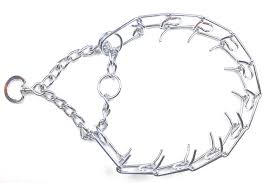 spot on his neck like a choke chain.
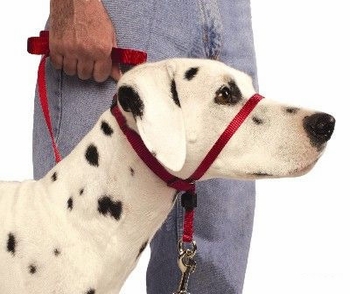 s and pulls the dog’s head to one side or another whenever he tries to pull ahead of you, which is dangerous for his neck and spine. As an example, if your dog were to lunge after a small animal or to greet someone on the street, the result of jerking his head to the side like that could cause neck and spinal injury. I do not recommend this collar for any breeds that are prey driven. It is not the best collar for obedience training purposes.
 the legs. Most are nylon or leather. This type of collar does not put pressure around the neck, but instead in front of the shoulders. Dogs that have upper respiratory disease or diseases of the throat or trachea are good choices for a harness.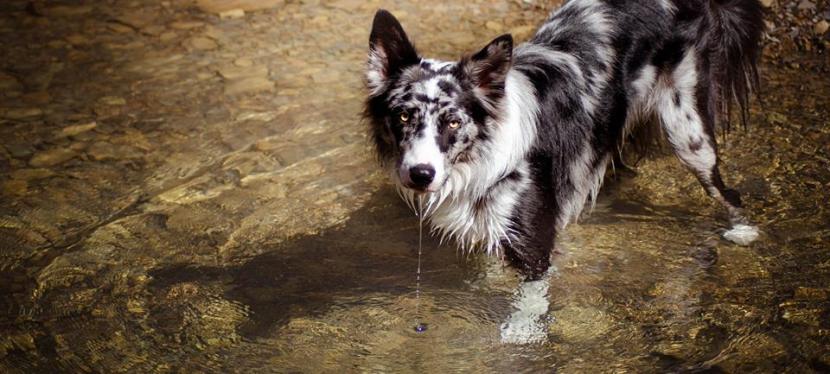
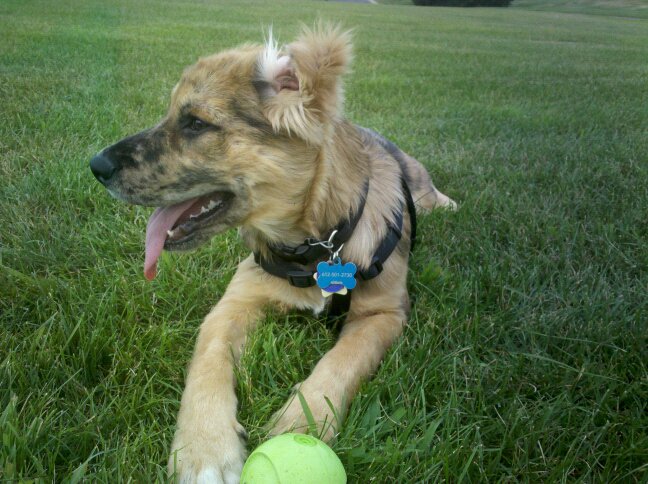





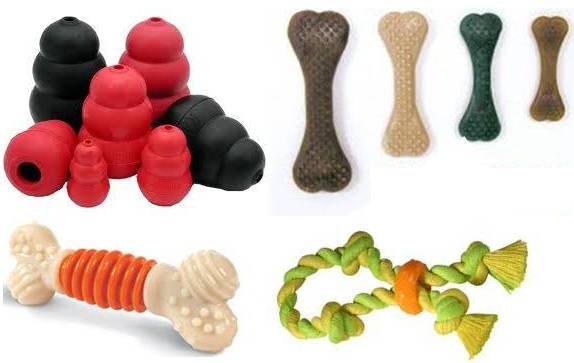 w toys on hand, you can kiss your shoes, purses, and furniture goodbye. There are plenty of age-specific dog chew toys on the market. Purchase different textured toys so your puppy experiences different things to chew on. This helps prevent them from getting bored by chewing the same toy.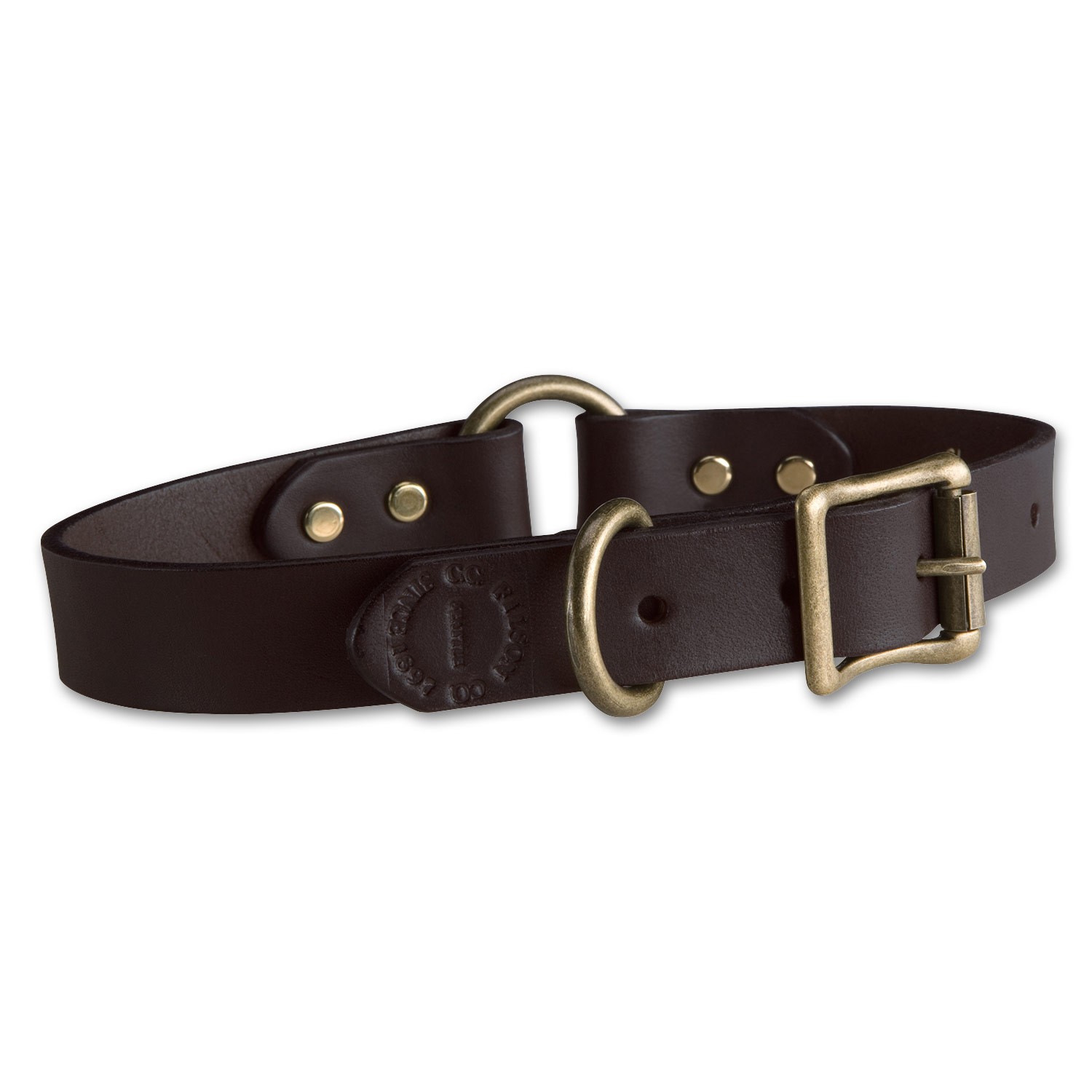
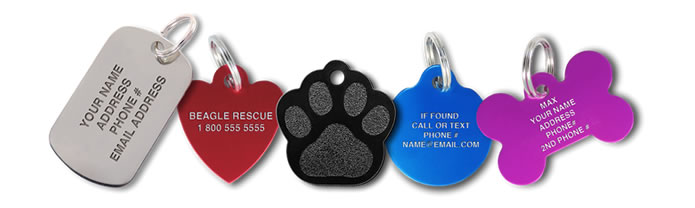 ront door – and a puppy or dog with no identification is never any good. Invest in an ID tag for your dog as soon as possible, as well as micro-chipping. This will help your escape artist return home.
 Big Leap of Faith